
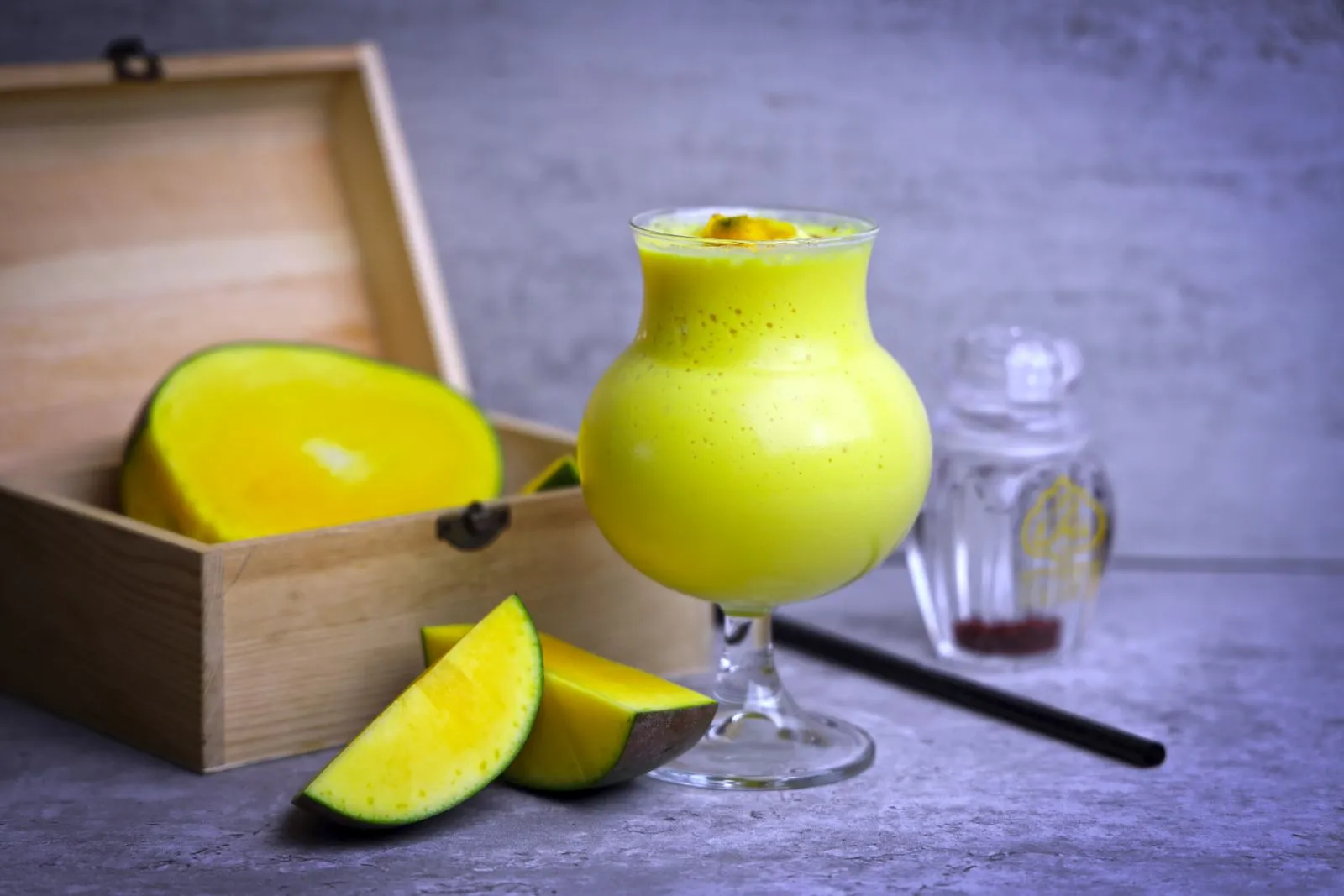
A smoothie can be more satisfying than fruit blended with juice alone. Pair fruit with a base that adds staying power, then consider a small amount of another ingredient for texture and flavor. The best mix depends on your child’s appetite, preferences, and any food allergies. Use the guide below to build a kid-friendly smoothie that fits snack time without making it complicated.
Start with fruit
Choose one or two fruits for the main flavor. Banana adds a creamy texture, while berries, peaches, mango, and melon bring variety. Fresh or frozen fruit can work; frozen pieces help chill and thicken a smoothie. If using canned fruit, choose fruit packed in water or its own juice when possible, and drain it before blending.
Keep the portion practical and adjust to your child’s appetite. Too much fruit can make a large drink that is difficult to finish as a snack. For a smoother blend, cut firm fruit into smaller pieces and add liquid gradually. Taste before adding sweeteners—ripe fruit often gives the smoothie enough sweetness on its own.
Choose a filling base
Milk and plain yogurt add creaminess and make a smoothie more substantial than one made with juice alone. For a thicker drink, use yogurt or a mix of milk and yogurt. If your child avoids dairy, try an unsweetened, fortified soy beverage or another suitable dairy-free option. Check labels for added sugar and nutrients, since products vary.
Start with a modest amount of liquid, blend, then add more until the texture is easy to sip. A smoothie that is too thin may feel less like a snack; one that is very thick can be hard for younger children to drink. Follow any guidance from your child’s health care professional about milk or dairy-free alternatives.
Add one useful extra
A small spoonful of smooth nut or seed butter can add richness, while oats can make a smoothie thicker and more filling. Plain yogurt is another useful add-in if you started with milk. Choose extras that your child already enjoys, and introduce only one new ingredient at a time so you can tell how the flavor and texture work.
Check allergies and choking risks before blending ingredients. Use smooth spreads rather than whole nuts for young children, and avoid add-ins your child cannot safely eat. You do not need to include every possible ingredient. A simple combination of fruit, a suitable base, and one extra is often easier to prepare and more appealing.
Blend, taste, and serve
A simple starting formula is fruit, milk or a dairy-free beverage, and a spoonful of yogurt, oats, or smooth seed butter. Blend until smooth, then adjust: add liquid if it is too thick or a few frozen fruit pieces if it is too thin. Serve a child-sized amount and save any extra promptly in the refrigerator.
Think of a smoothie as one snack option, not a replacement for every meal. Serve it alongside a familiar food if your child needs more to feel satisfied. Let kids help choose fruit or press the blender button with adult supervision. Their involvement can make trying a new combination feel more comfortable.
For a satisfying kids’ smoothie, combine fruit with a dairy or dairy-free base, then add one ingredient that supports the texture and suits your child. Keep portions manageable, check labels and allergies, and let taste guide small adjustments. Try a simple combination at home or stop by Little Blend Bar for a kid-friendly smoothie.